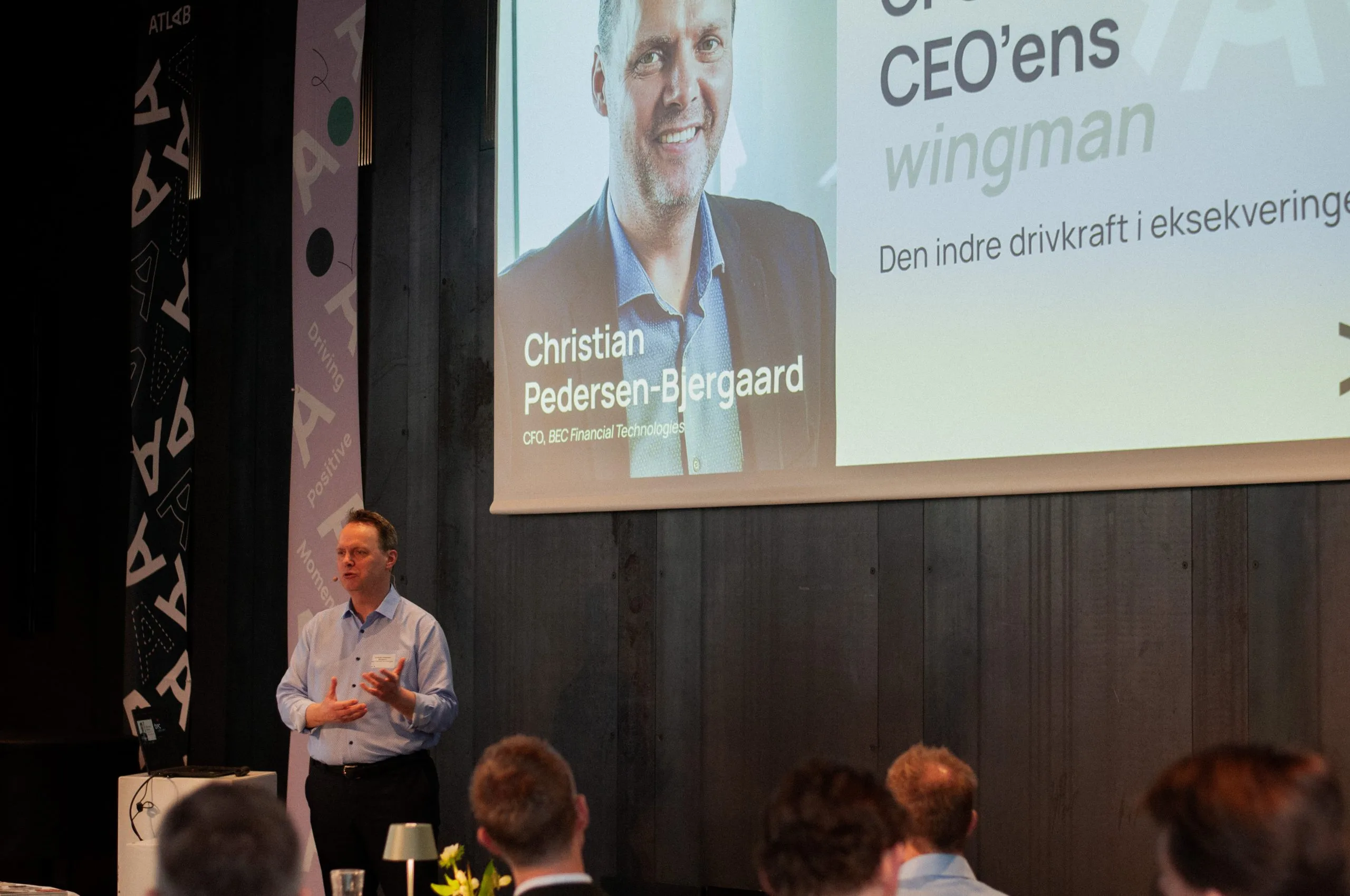
1. Christian Pedersen‑Bjergaard: The CFO as an Executing Force
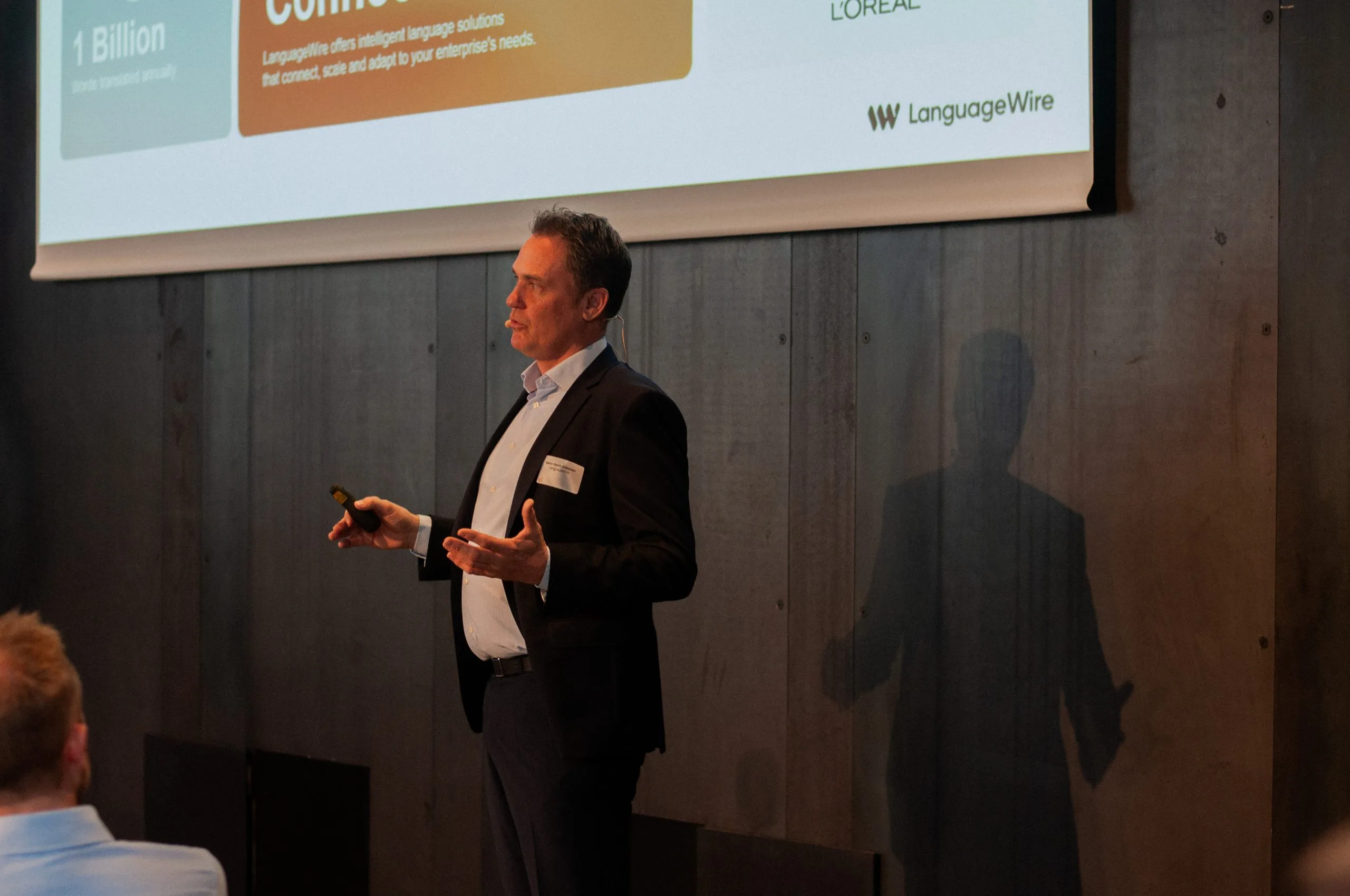
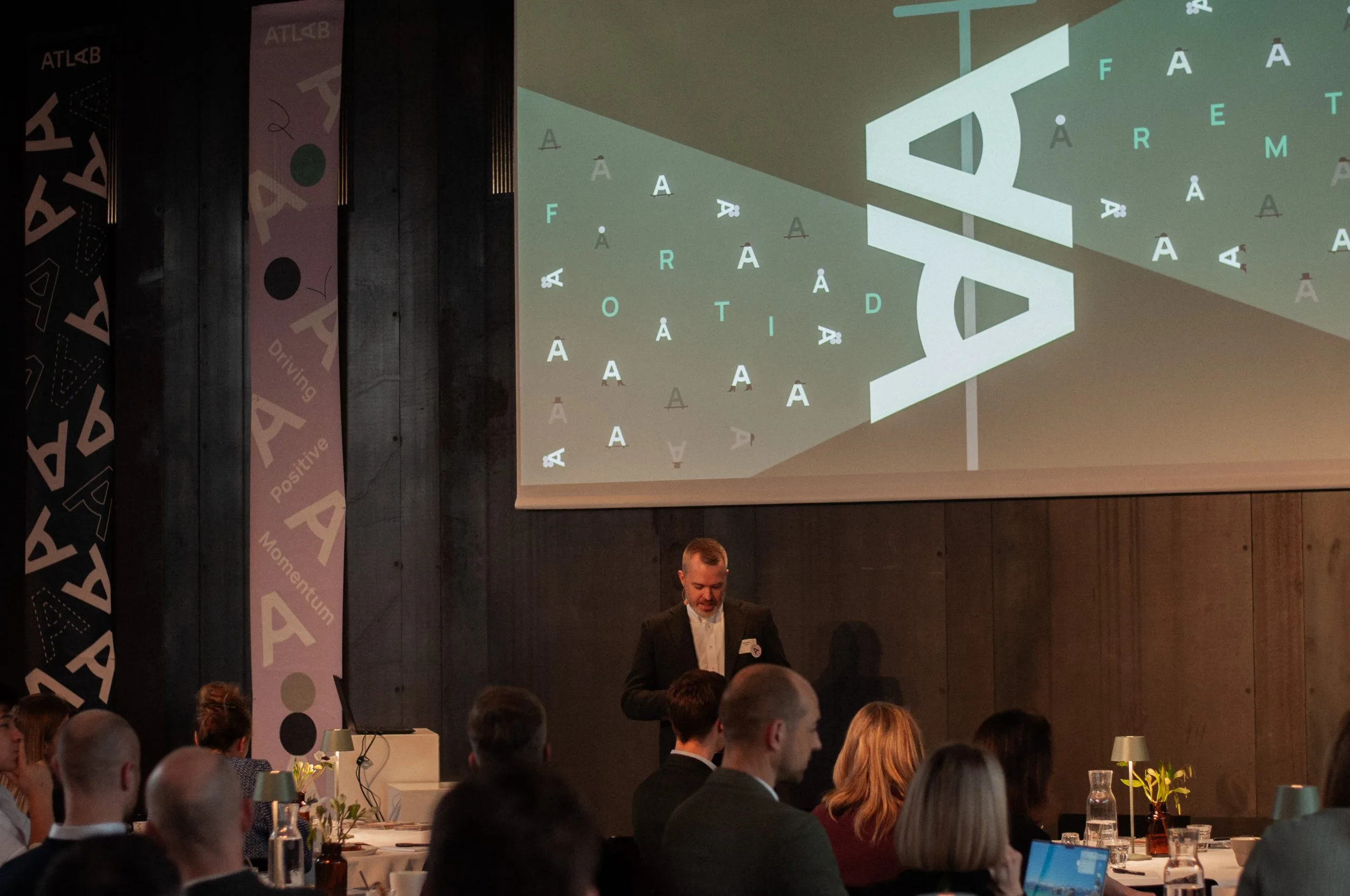
Christian offered a refreshingly direct and concrete look into the CFO role within a highly complex, IT‑heavy and tightly regulated organization. Stability, transformation and efficiency pressures all intersect in the CFO chair – and his story centered on the need to create a strong foundation while simultaneously driving organizational momentum.
He described how BEC deliberately placed firm constraints on run‑rate costs and demanded genuine prioritization and efficiency gains across the business. This was not cost‑cutting for its own sake but a disciplined operating model designed to create clarity, shared ownership and strategic capacity. In Christian’s view, the CFO is not merely the controller of decisions but the enabler of decisions – especially when they come with organizational consequences.
Another key part of his story was the CFO’s role in major structural changes, including outsourcing of core application maintenance. Christian pointed out that the CFO is often the only function capable of holding together business case logic, governance, risk, and long‑term sustainability of the operating model. In that sense, the CFO becomes the architect of the future – not only the guardian of the present.
His perspective made it clear that in a complex organization, the CFO cannot settle for being the “steady hand on the wheel.” The CFO is the movement that creates space for investment and ensures the organization can actually deliver on it.