Atlab CFO Agenda #8: The CFO at the intersection of past and future

Atlab CFO Agenda #8: The CFO at the intersection of past and future

The narrative in the CFO world often claims that “the CFO’s role is changing.” A sentence used so frequently that it risks feeling like a cliché.


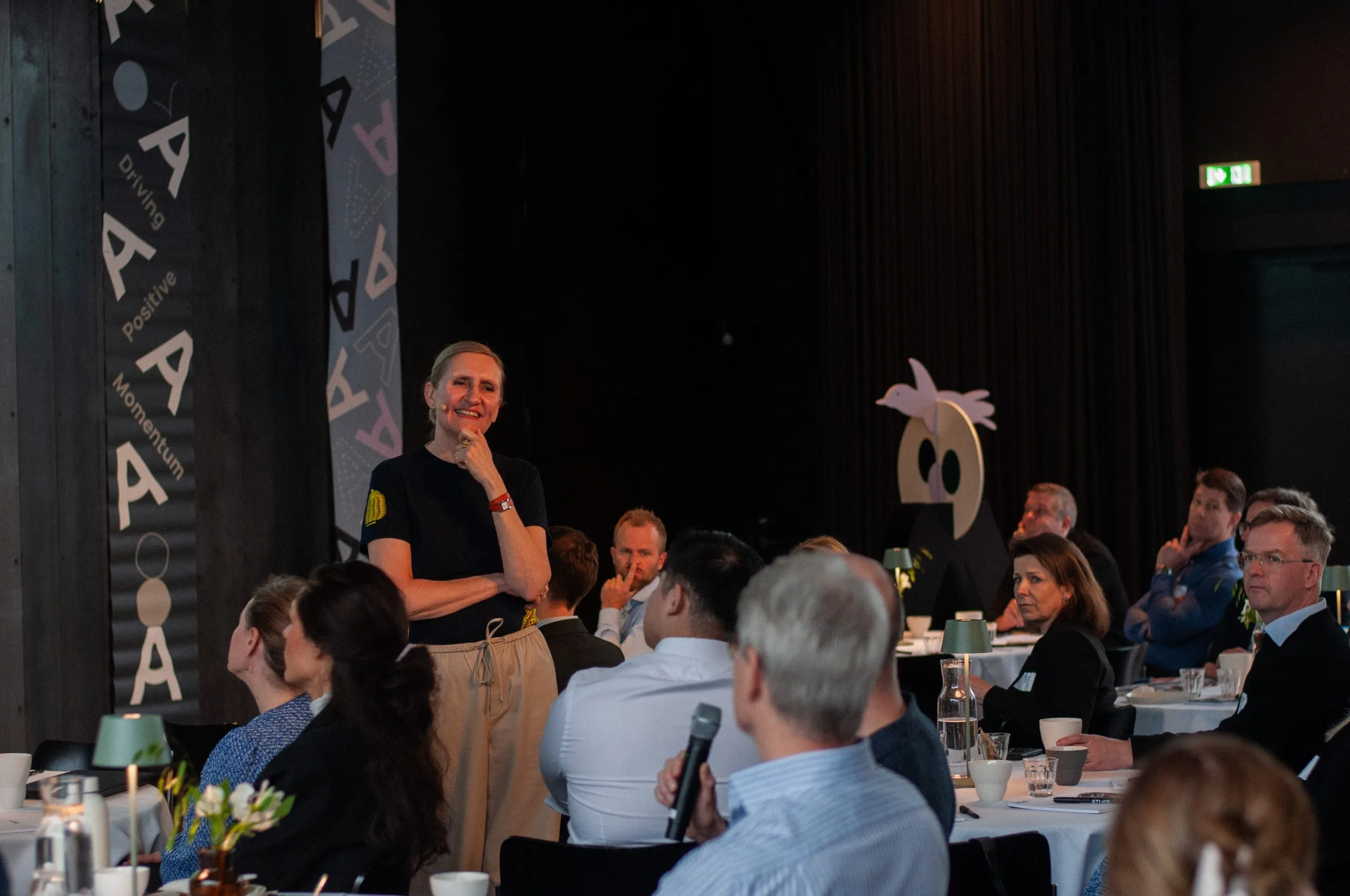
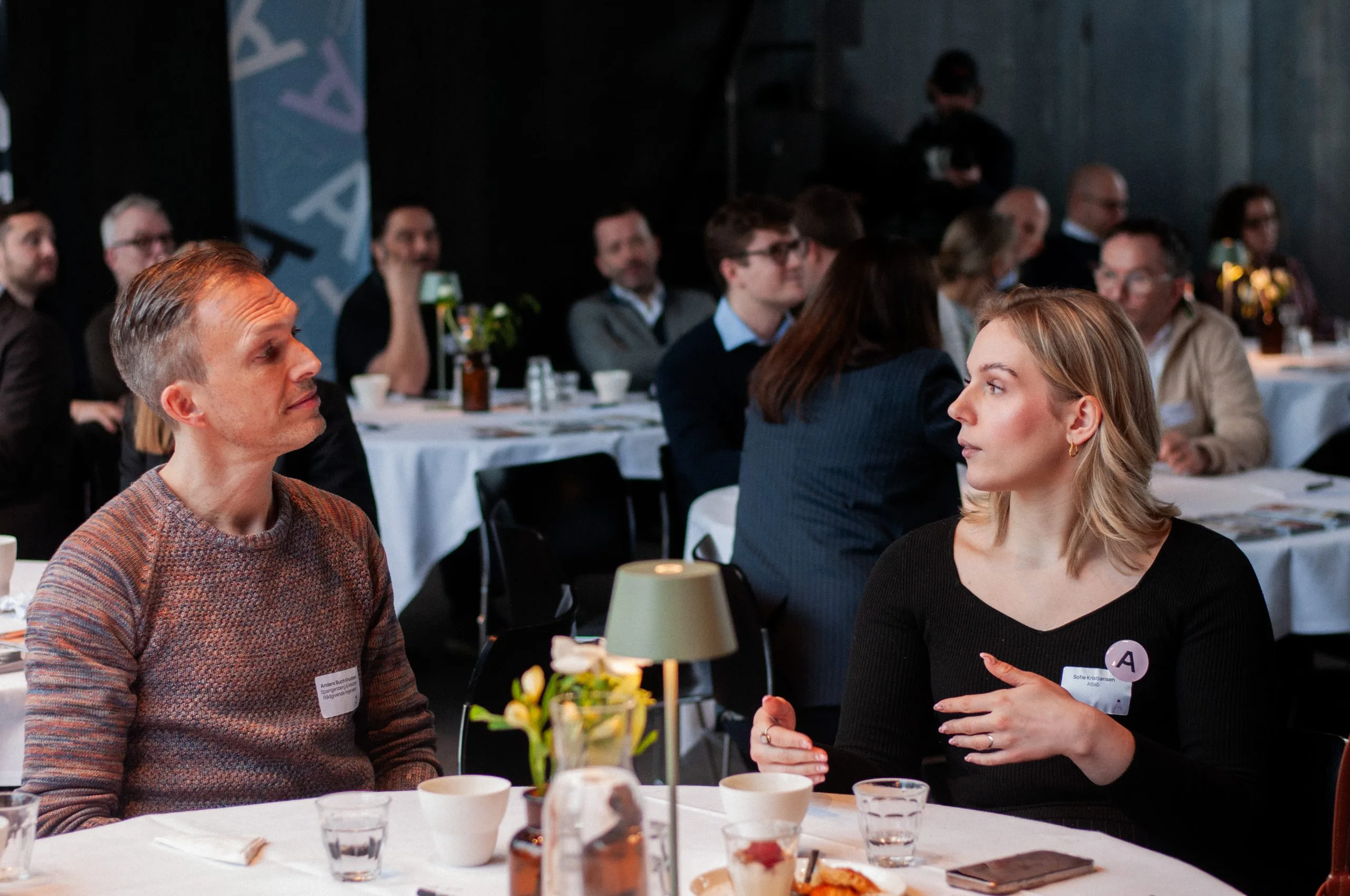
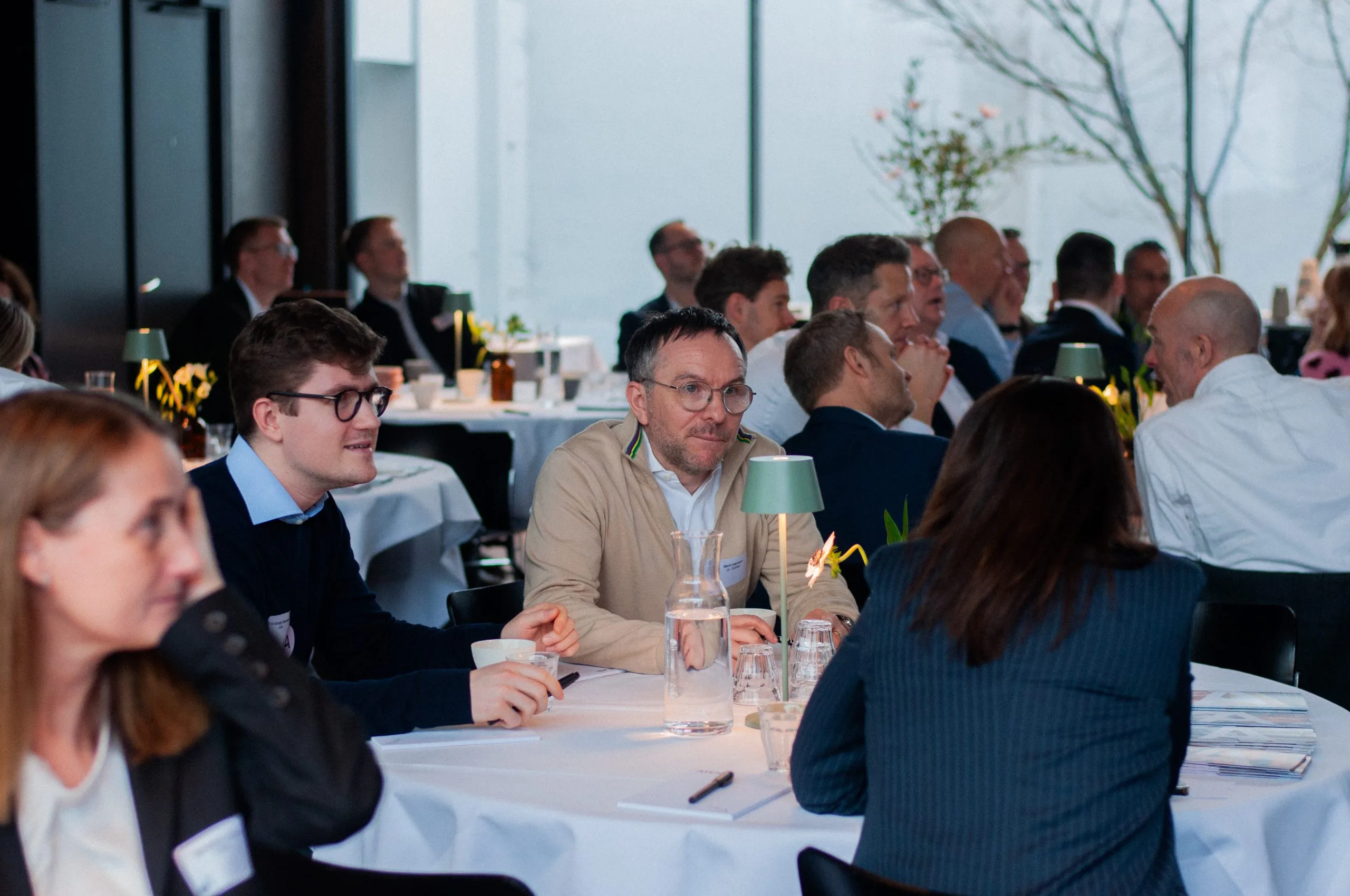
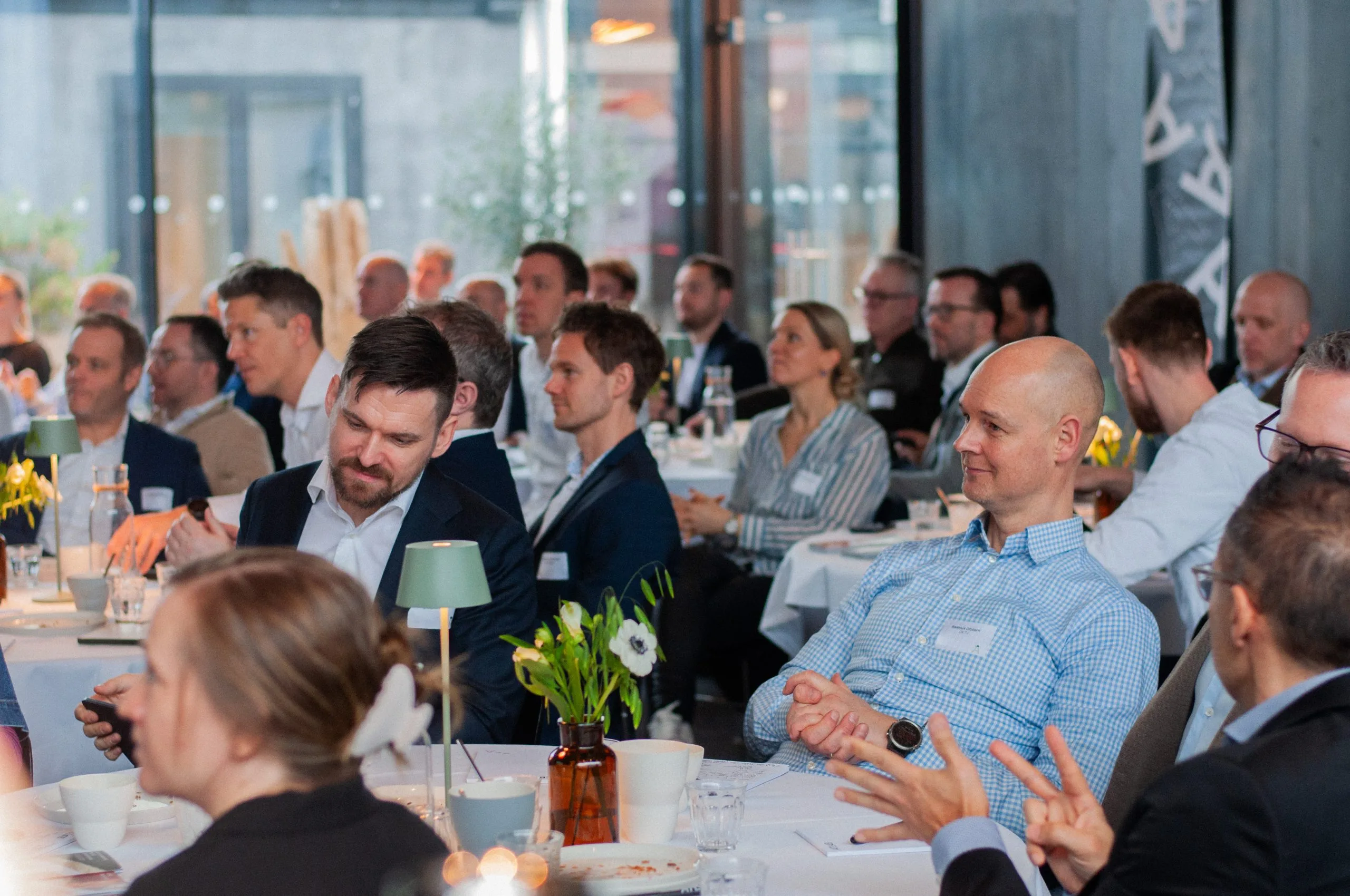
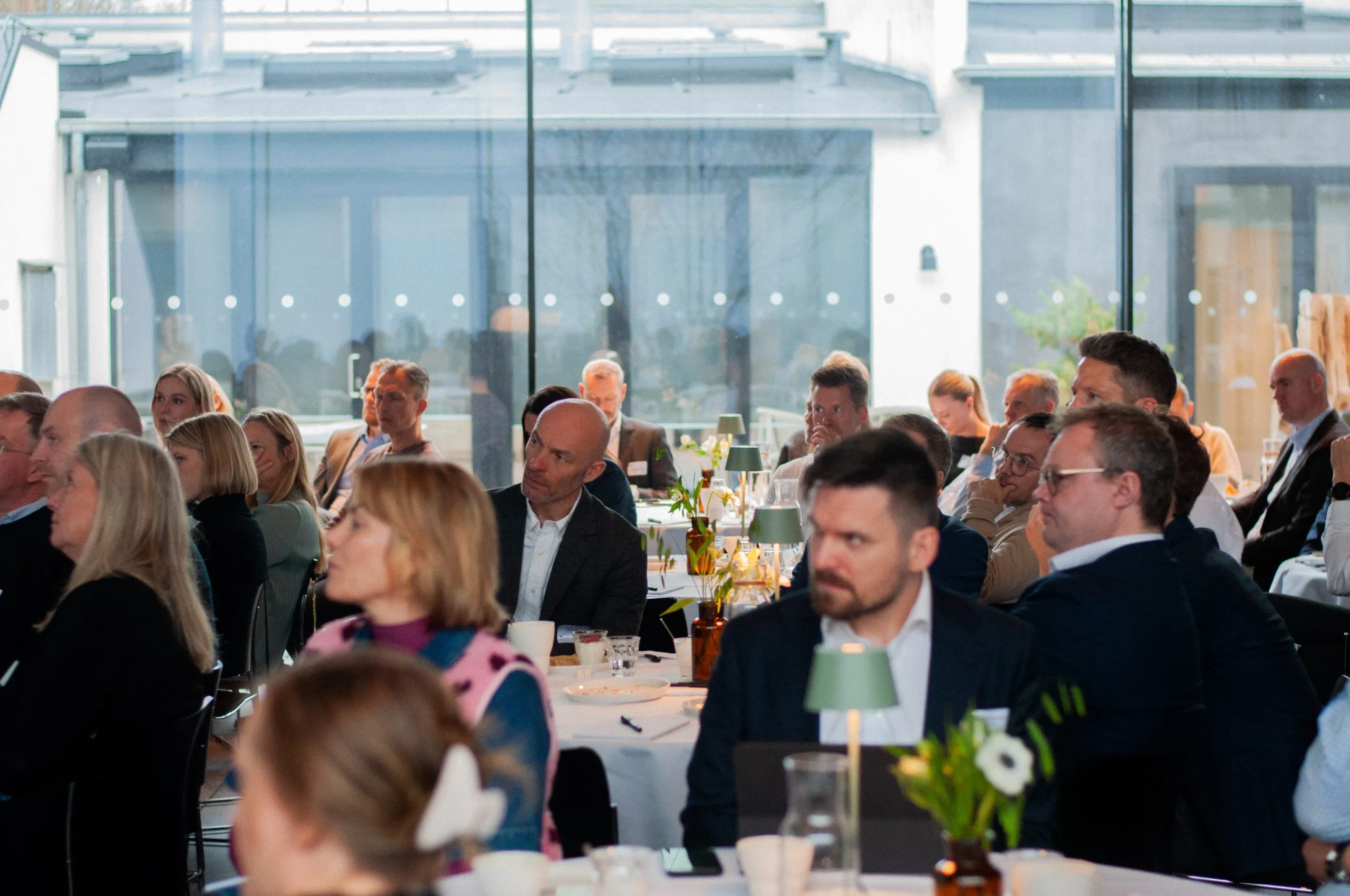
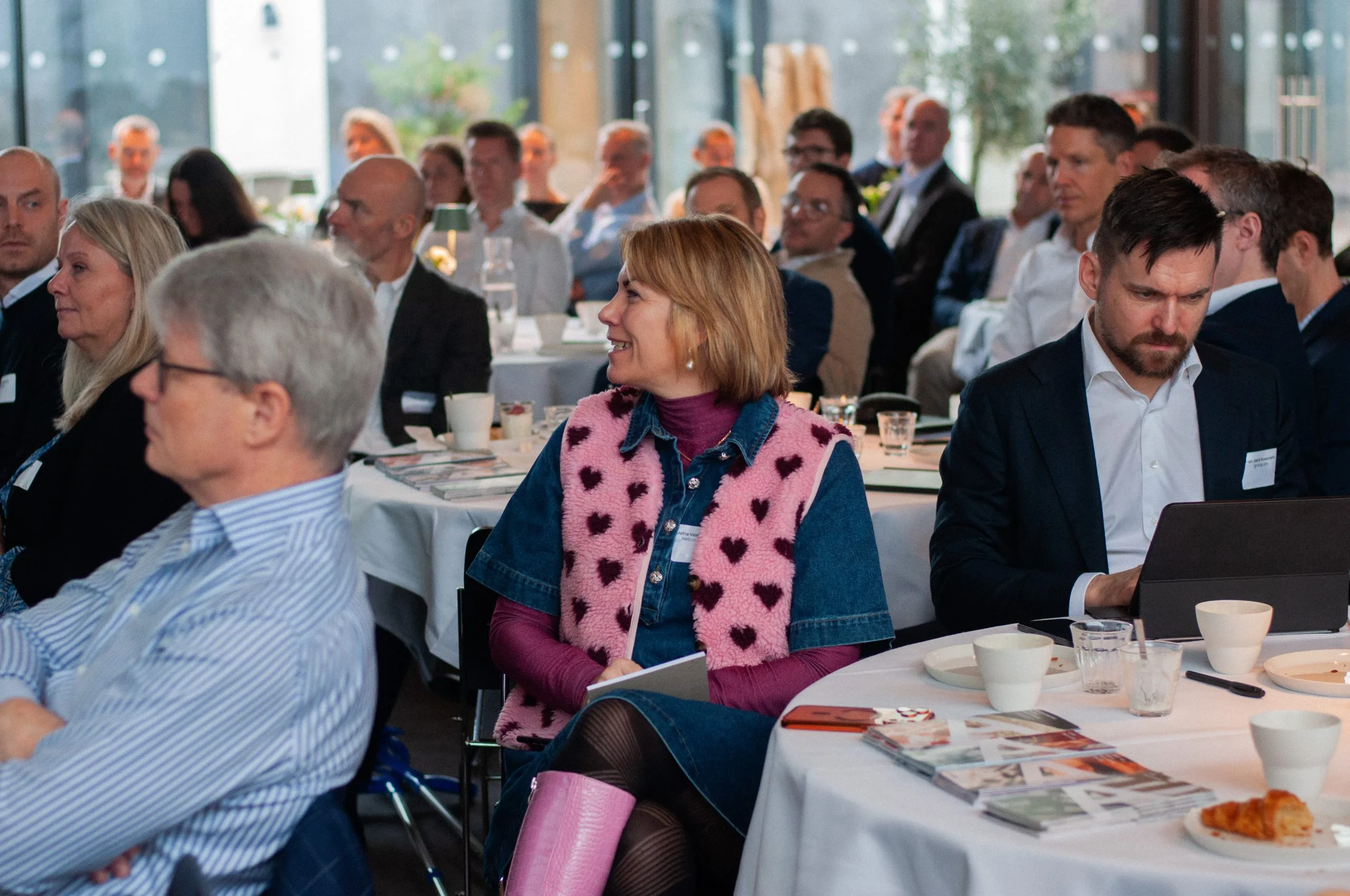
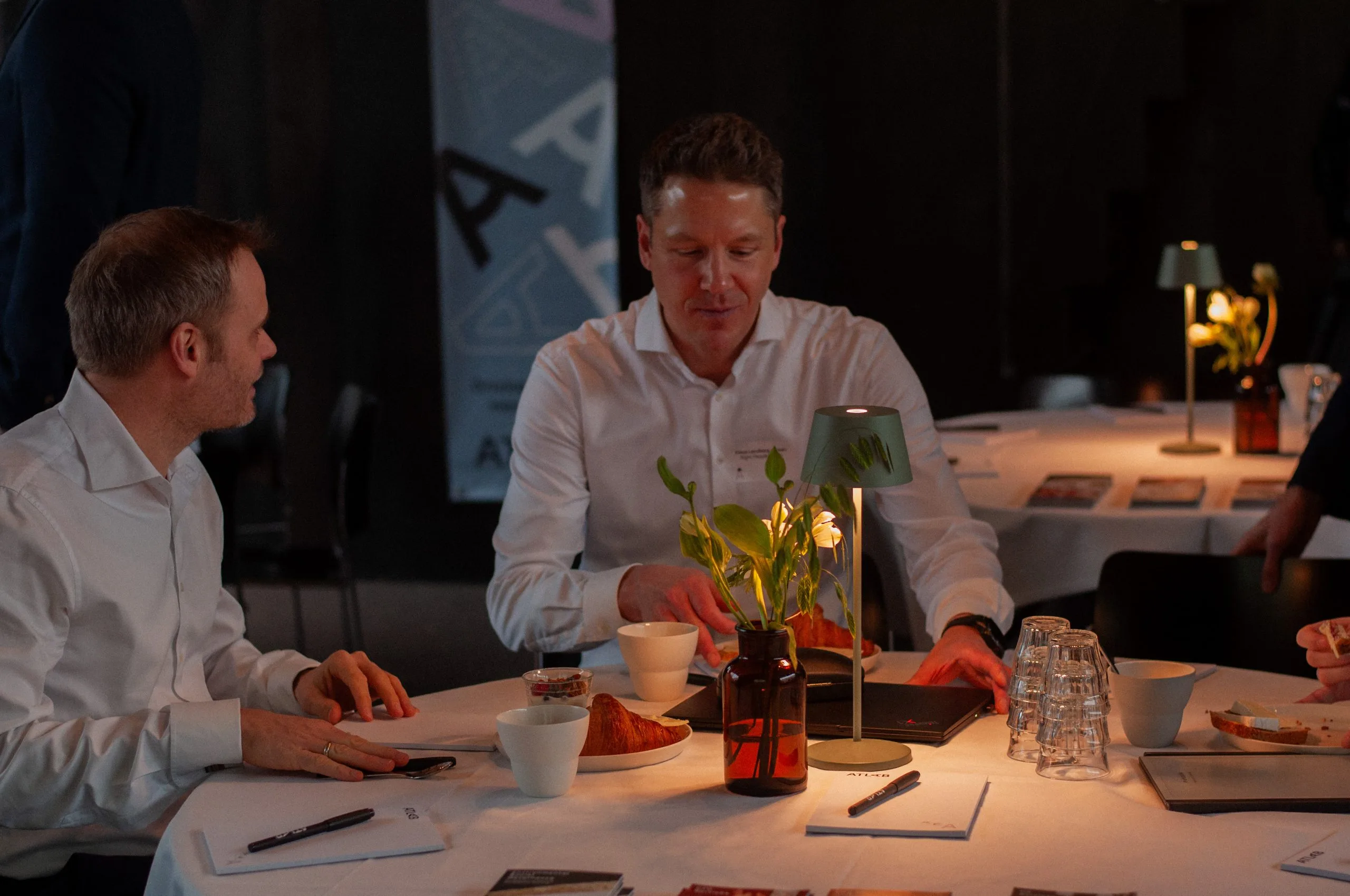
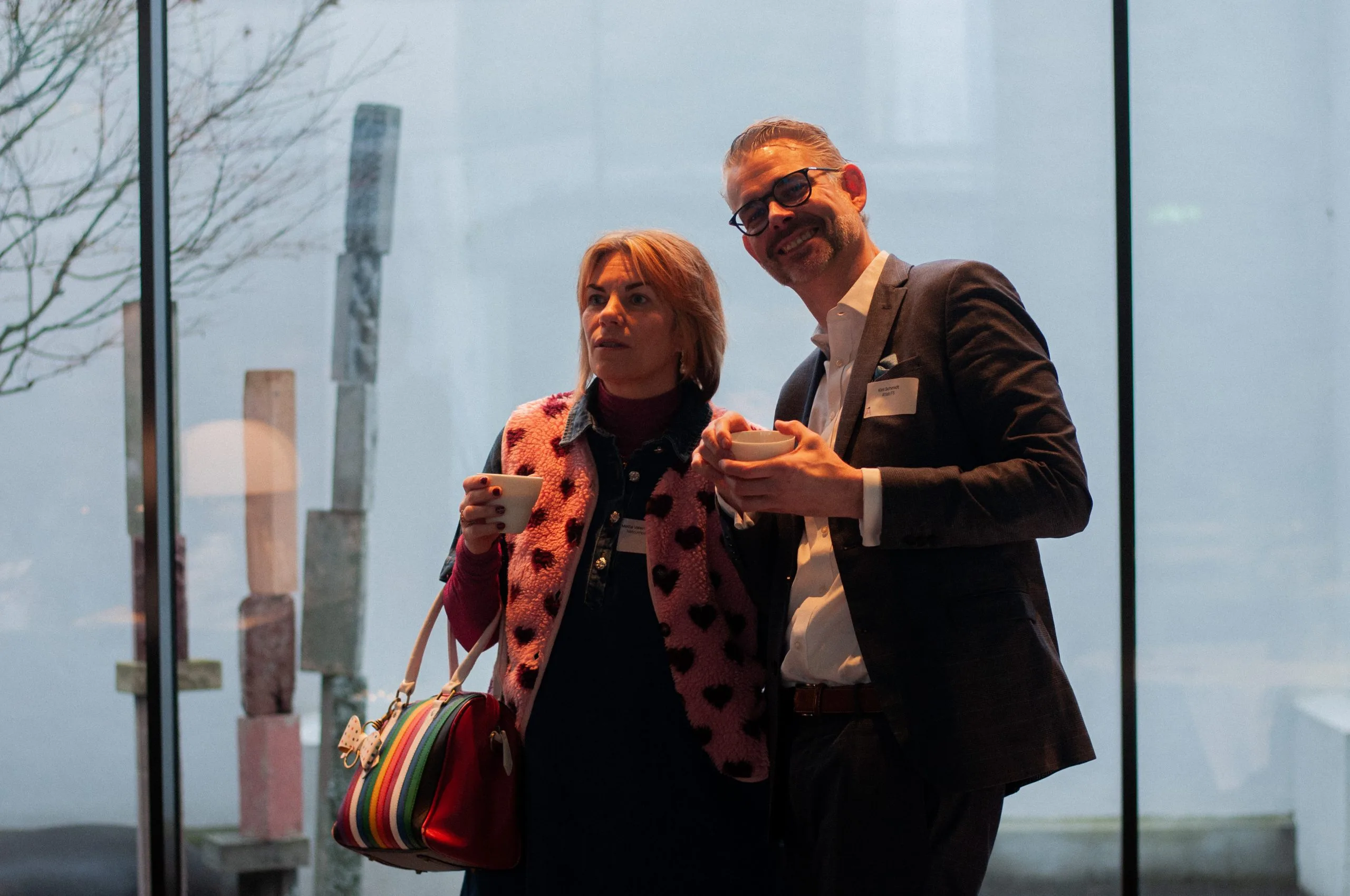
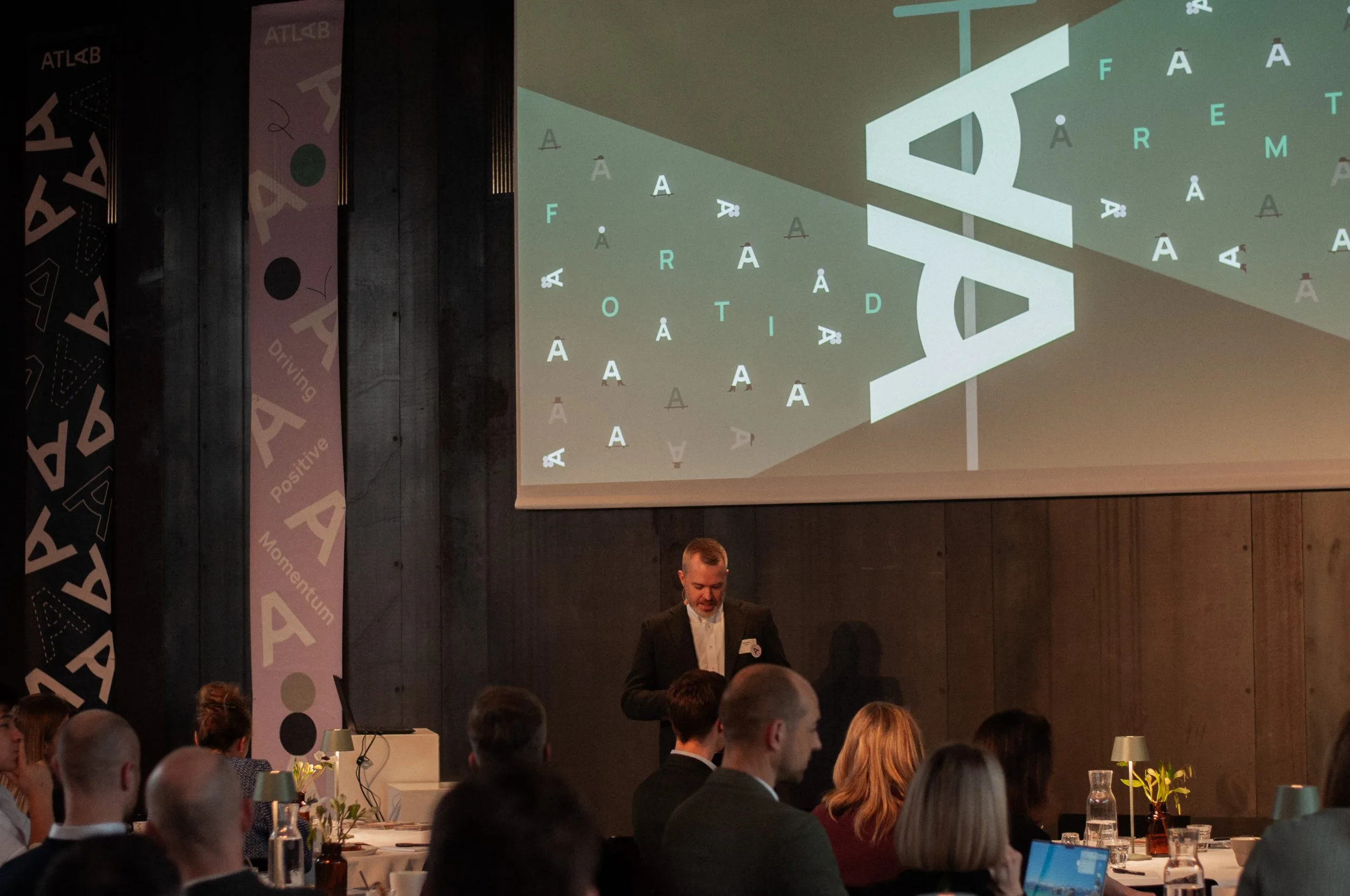
But behind the familiar wording lies a real shift – one that became clear at this year’s Atlab CFO Agenda, where 80–90 CFOs gathered to share experiences, perspectives and honest reflections.

A recent global KPMG survey shows that more than 60% of board members view “strategic discussions” as the CFO’s biggest improvement gap, while nearly 70% of CFO–board dialogue still focuses on historical data and reporting. The CFO stands precisely where the organization’s past meets its future – expected to master both simultaneously.


And the development is unmistakable: In the FTSE100, 33% of CEOs now come from a CFO background, up from 21% in 2019. This isn’t merely a hint of movement; it is the movement.


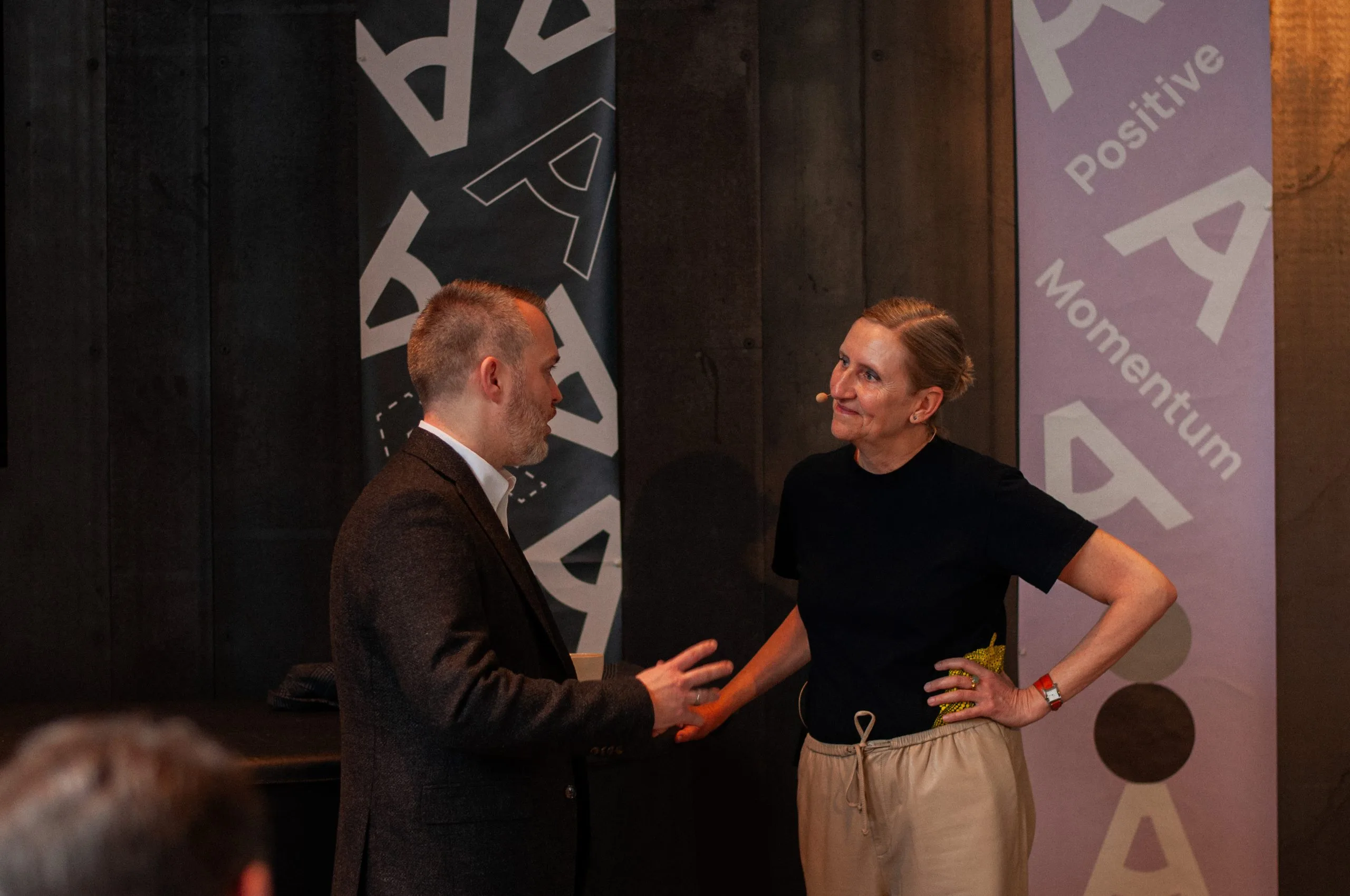
The three speakers explored this shift from different angles, creating a nuanced picture of the CFO as steward, business partner and strategic co‑pilot.

1. Christian Pedersen‑Bjergaard: The CFO as an Executing Force

Christian offered a refreshingly direct and concrete look into the CFO role within a highly complex, IT‑heavy and tightly regulated organization. Stability, transformation and efficiency pressures all intersect in the CFO chair – and his story centered on the need to create a strong foundation while simultaneously driving organizational momentum.


He described how BEC deliberately placed firm constraints on run‑rate costs and demanded genuine prioritization and efficiency gains across the business. This was not cost‑cutting for its own sake but a disciplined operating model designed to create clarity, shared ownership and strategic capacity. In Christian’s view, the CFO is not merely the controller of decisions but the enabler of decisions – especially when they come with organizational consequences.


Another key part of his story was the CFO’s role in major structural changes, including outsourcing of core application maintenance. Christian pointed out that the CFO is often the only function capable of holding together business case logic, governance, risk, and long‑term sustainability of the operating model. In that sense, the CFO becomes the architect of the future – not only the guardian of the present.


His perspective made it clear that in a complex organization, the CFO cannot settle for being the “steady hand on the wheel.” The CFO is the movement that creates space for investment and ensures the organization can actually deliver on it.
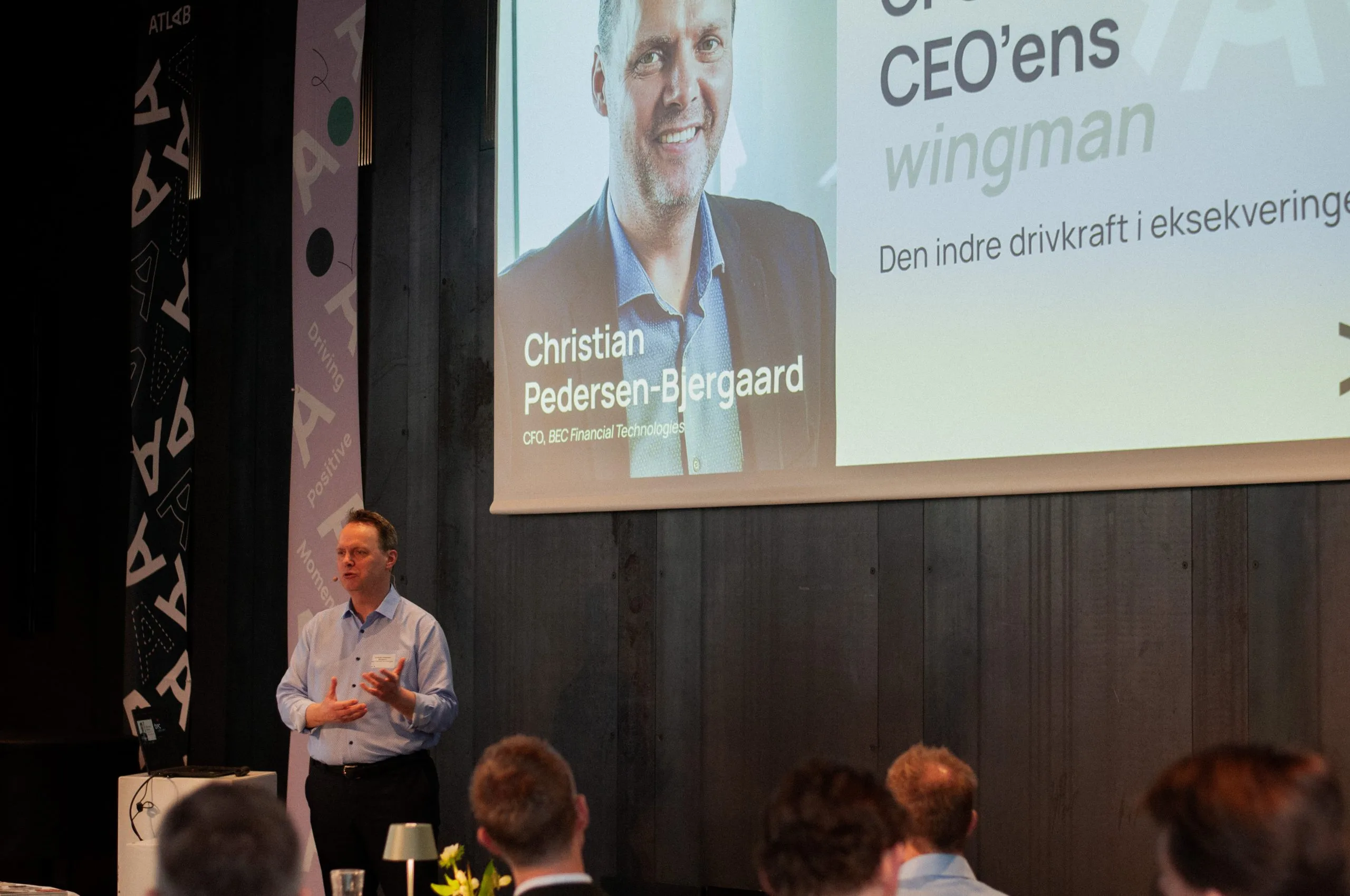
“The CFO is often the only function capable of holding together business case logic, governance, risk, and long‑term sustainability of the operating model”

– Christian Pedersen‑Bjergaard

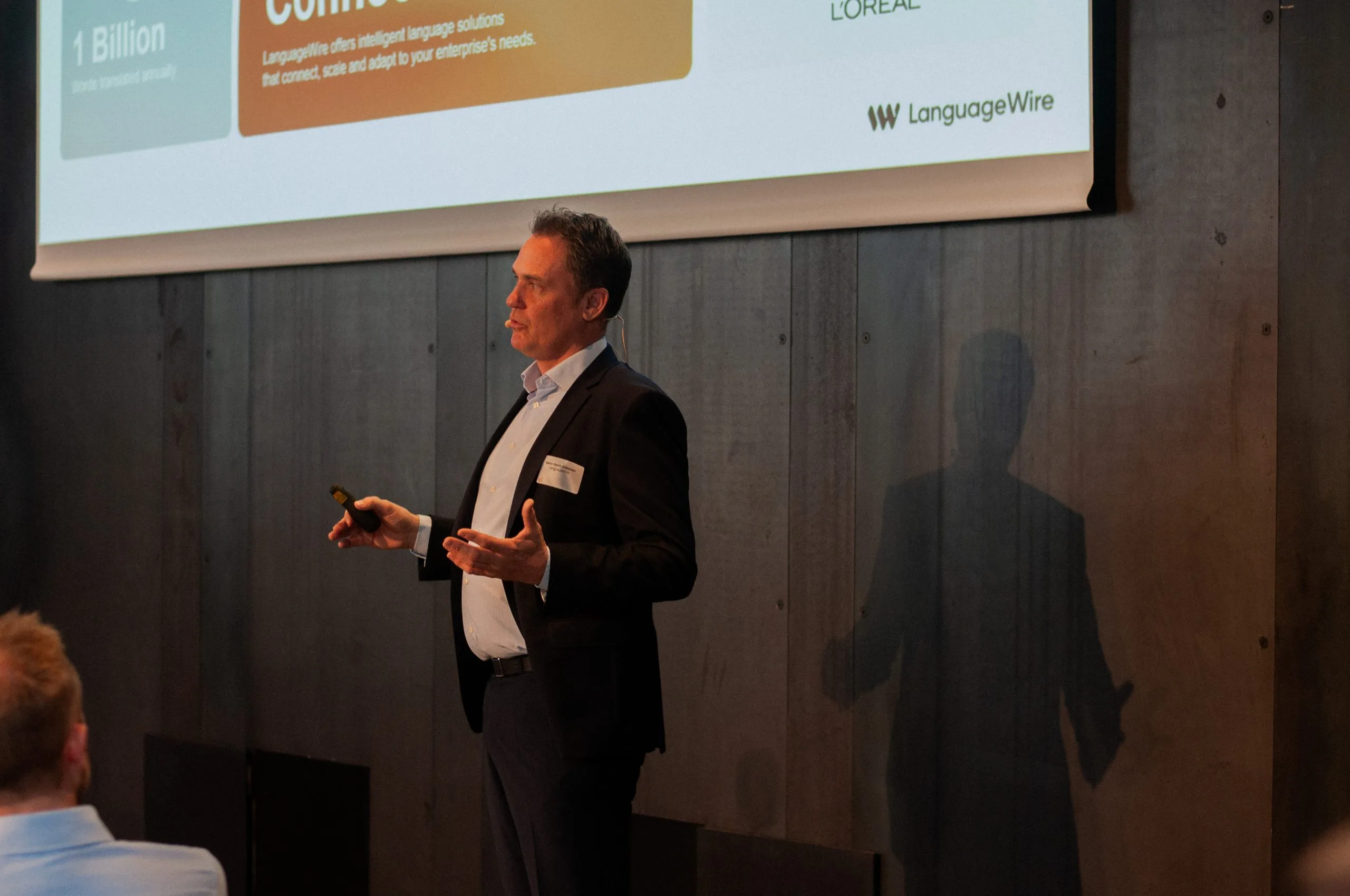
2. Søren Bech Justesen: When the CFO Receives the Keys to the CEO Office

Søren offered an open and reflective insight into the transition from CFO to CEO – a journey often discussed but rarely explained with such honesty. He highlighted that the skills CFOs traditionally master are not necessarily the ones most central to the CEO role. The challenge is not analytical capability or financial discipline, but the creative space: the ability to think in visions, direction and long‑term opportunity – before the supporting data even exists.


He described the CEO role as one that demands visibility, constant communication and a forward‑leaning presence. Where the CFO often excels in depth and precision, the CEO must articulate narratives, create cohesion and set direction – even when uncertainty dominates.


One of Søren’s most striking points was the need for decisiveness. While CFOs refine the basis for decisions, CEOs must make decisions despite imperfect information. “No decision is the worst decision,” as he put it. At the same time, assembling and developing the right leadership team becomes even more critical; doubts about key people cannot be allowed to linger.


Across all his reflections, one message stood out: The journey from CFO to CEO is less about learning something new and more about activating parts of oneself that the CFO role does not always demand – but which quickly become essential.

3. Anne Marie Jess Hansen: The CFO as the Trust‑Building Link

While Christian and Søren spoke from inside the CFO’s and CEO’s reality, Anne Marie zoomed out to look at the broader ecosystem in which the CFO operates – especially the dynamics between CEO, CFO and the board.


Her central message was clear: the most important currency in the CFO role today is not numbers – it is trust. In a world shaped by geopolitical uncertainty, technological disruption, complexity and speed, it is the relational and communicative stability provided by the CFO that enables boards and executive teams to make informed decisions at pace.


She described how boards are increasingly active participants in strategy – not just oversight bodies – and how the CFO must therefore serve as both financial architect, scenario builder and strategic sparring partner. Capital allocation is no longer a backward‑looking discipline but a forward‑looking design question requiring judgment, courage and clarity.


Anne Marie emphasized that the CFO’s toolbox now contains both hard currency and soft currency. Data, reporting and financial control remain foundational, but the ability to communicate, read a room, navigate disagreement and create psychological safety has become equally essential. The CFO can no longer be “the person with the numbers.” The CFO has become a central institutional figure in the organization’s governance.

The intersection of past and future

Taken together, the three perspectives painted a picture of a CFO role that is not just changing, but maturing. The strongest CFOs have always been strategic, relational and forward‑looking – but the difference today is that all CFOs are expected to be.


The role unfolds in the tension between operations and strategy, between past and future – but also, and perhaps most importantly, between people who all see the organization and its challenges from their own cockpit.


If the CFO was once the one who ensured the numbers, the CFO today is the one who enables decisions.


We will host the next Atlab CFO Agenda on Friday, 29 May – reach out if you would like a seat or wish to receive invitations to upcoming events.


– Teis Vester